
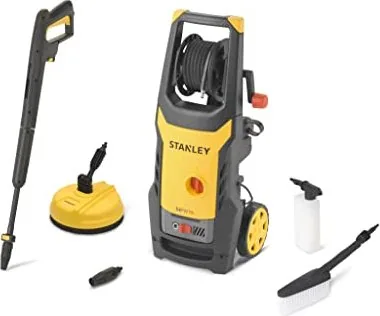
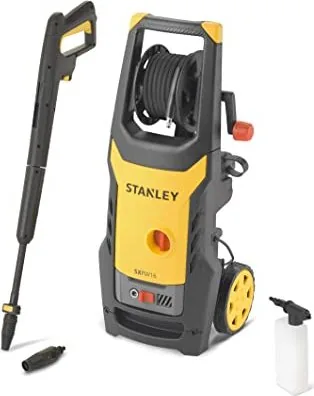
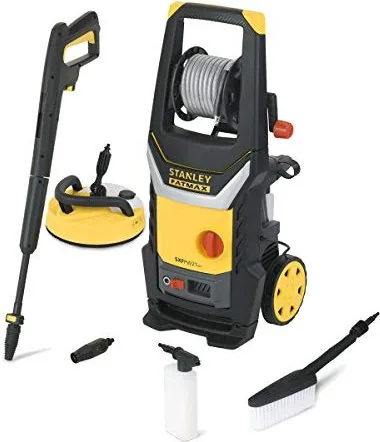
Stanley SXPW14E/16E Instrukcja-Obslugi
Instrukcja PDF · 280 Strony
Polski



Szybka kontrola
Niepoprawna odpowiedz, prosze spróbuj ponownie.
Rozmawiaj z instrukcją obsługi Stanley SXPW14E/16E dzięki AI
Otrzymuj natychmiastowe odpowiedzi AI z instrukcji obsługi Stanley SXPW14E/16E
Zapytaj o Stanley SXPW14E/16E. Odpowiedzi pochodzą z tej instrukcji, wraz ze stronami, na których są oparte.
SXPW14E/16E Harmonogram konserwacji
Upewnij się, że wszystkie śruby są dokręcone, a przed każdym użyciem sprawdź, czy nie ma uszkodzonych lub zużytych części.
Sprawdź filtr wlotowy (L) oraz filtr detergentu, jeśli jest zamontowany. W razie potrzeby oczyść je zgodnie z instrukcją.
Odłącz lancę i usuń osady brudu z otworu dyszy za pomocą dołączonego narzędzia czyszczącego (C1).
Uruchom urządzenie z niekorozyjnym, nietoksycznym płynem antyzamarzającym przed przechowaniem go w suchym miejscu chronionym przed mrozem.
Zadaj Pytanie
Czy polecasz SXPW14E/16E?
Tak NieNajczęściej zadawane pytania
The product information covers Stanley SXPW25DTS and SXPW27DTS high-pressure washer models. They offer 2.5 kW and 2.7 kW rated power respectively, with different maximum pressure and flow ratings.
Czy ta odpowiedź była pomocna?
It is intended for individual cleaning of vehicles, machines, boats, masonry, garden equipment, and similar durable surfaces. Use clean water and biodegradable detergents. Engine cleaning is only appropriate where contaminated water can be disposed of according to local rules.
Czy ta odpowiedź była pomocna?
Regular mode is intended for standard washing tasks. Heavy-duty mode raises cleaning force by 50% for more demanding grime. On large areas, a compatible Twin Nozzle adapter can use two nozzles simultaneously to reduce working time.
Czy ta odpowiedź była pomocna?
Yes. Use highly biodegradable detergent supplied or recommended for the washer. Select the detergent nozzle setting or fit the detergent accessory where provided. Avoid using overly thick detergent, and dilute it with water if needed.
Czy ta odpowiedź była pomocna?
Direct connection is permitted only when the supply hose has a compliant backflow preventer with drain facility. Follow local water authority requirements. Water that has passed through a backflow preventer is considered non-potable.
Czy ta odpowiedź była pomocna?
Use the lowest suitable pressure near wheels and tyres, keep the jet at least 30 cm away, and never aim directly at tyres. Do not use the turbo lance on vehicle parts. Avoid fine jet settings and rotating nozzles on delicate or painted surfaces.
Czy ta odpowiedź była pomocna?
Turn off the water, discharge residual pressure, switch off, unplug, empty and rinse the detergent tank, and engage the gun safety catch. Store the unit in a dry location protected from frost. Use non-toxic, non-corrosive antifreeze before winter storage if necessary.
Czy ta odpowiedź była pomocna?
Zalety i Wady
Zalety

- Strong output: up to 16 MPa maximum pressure and 14.16 L/min maximum flow, depending on model.
- Two cleaning modes provide regular operation and heavy-duty cleaning with up to 50% more cleaning force.
- TSS models automatically stop the motor when the trigger is released, supporting efficient use.
- Adjustable nozzle, detergent control, and optional accessories improve versatility across cleaning tasks.
- Designed for vehicles, masonry, boats, machines, and outdoor surfaces using clean water and biodegradable detergent.
Wady

- High pressure can damage tyres, painted finishes, delicate materials, and pressurized components if used incorrectly.
- Requires careful electrical and water-supply setup, including suitable outdoor extension leads and protection.
- Detergent suction may weaken or stop when using longer high-pressure hoses or hose extensions.
- The rotating nozzle may reduce pressure by about 25% compared with an adjustable nozzle.
- Noise levels can reach 95 to 97 dB(A), so hearing protection is recommended.
Produkt Specyfikacja
Tryb pracy
Zimna woda
Temperatura wlotowa
maks. 50°C
Mobilnosc
Wozek
Opis Produktu
Myjka wysokocisnieniowa Stanley - Czytaj, pobierz i wydrukuj za darmo
Seria myjek wysokocisnieniowych Stanley zostala zaprojektowana, aby ulatwic wymagajace czyszczenie na zewnatrz. Nadaja sie do pojazdow, sprzetu ogrodowego, lodzi, tarasow, powierzchni murowanych i innych trwalych powierzchni. Te elektryczne myjki lacza kompaktowe rozmiary ze skoncentrowanym cisnieniem wody, aby usuwac uporczywy brud. Dostepne modele to SXPW17E, SXPW18E, SXPW20E i SXPW22E, o mocy znamionowej od 1,7 kW do 2,2 kW.
Praktyczna wydajnosc czyszczenia
W calej serii przeplyw wody wynosi do 7,33 litra na minute, a maksymalne cisnienie w zaleznosci od modelu waha sie od 13 MPa do 15 MPa. Takie polaczenie cisnienia i przeplywu zapewnia skuteczne splukiwanie oraz pozwala dostosowac sposob pracy do roznych zadan. Regulowana dysza, jesli jest zamontowana, pomaga kontrolowac wzor natrysku, a kompatybilne systemy dozowania detergentu moga ulatwic rozpuszczanie zabrudzen przed splukiwaniem.
W przypadku uporczywych osadow wybrane konfiguracje moga obejmowac dysze obrotowa, ktora zwieksza skutecznosc czyszczenia dzieki obrotowemu strumieniowi wody. Akcesoria moga rowniez obejmowac szczotki, bebny na waz, narzedzia do czyszczenia powierzchni, zestawy do zasysania wody oraz wyposazenie do czyszczenia rur. Dolaczone wyposazenie rozni sie w zaleznosci od modelu, dlatego przed zakupem nalezy potwierdzic dokladna zawartosc zestawu.
Bezpieczenstwo i codzienne uzytkowanie
Bezpieczna obsluga jest kluczowa dla uzyskania niezawodnych rezultatow z myjki cisnieniowej. Pistolet jest wyposazony w blokade bezpieczenstwa, ktora pomaga zapobiegac przypadkowemu rozpyleniu, a uzytkownicy powinni trzymac go pewnie, aby kontrolowac odrzut. Podczas pracy nalezy zachowac odleglosc co najmniej 15 metrow od ludzi i zwierzat, nigdy nie kierowac strumienia na ludzi, zwierzeta, urzadzenia elektryczne ani sama myjke oraz nosic odpowiednia odziez ochronna.
Myjka powinna byc zawsze zasilana czysta lub filtrowana woda. Praca na sucho moze uszkodzic pompe. Podczas czyszczenia delikatnych, malowanych lub cisnieniowych powierzchni nalezy zaczac od ustawienia nizszego cisnienia i zachowac bezpieczna odleglosc. Opony i elementy kol wymagaja szczegolnej ostroznosci: strumien nalezy utrzymywac w odleglosci co najmniej 30 cm i unikac stosowania na nich dyszy obrotowej.
Wskazowki dotyczace konserwacji
Regularna konserwacja pomaga zachowac skutecznosc czyszczenia. Przed uzyciem nalezy sprawdzic i wyczyscic filtr wlotowy, usunac osady z dyszy odpowiednim narzedziem oraz zwolnic pozostale cisnienie po wylaczeniu. Po uzyciu oproznic zbiornik detergentu, przechowywac urzadzenie w suchym miejscu chronionym przed mrozem oraz stosowac wylacznie zatwierdzone weze, zlacza, detergenty i czesci zamienne.
Uwaga: Material Myjka wysokocisnieniowa Stanley - Czytaj, pobierz i wydrukuj za darmo jest przydatny do sprawdzenia wskazowek dotyczacych obslugi, czynnosci konserwacyjnych, wymagan bezpieczenstwa i szczegolow technicznych poszczegolnych modeli przed uzyciem.
Szukaj w: 67 732 Instrukcje online


Wpisz markę lub model